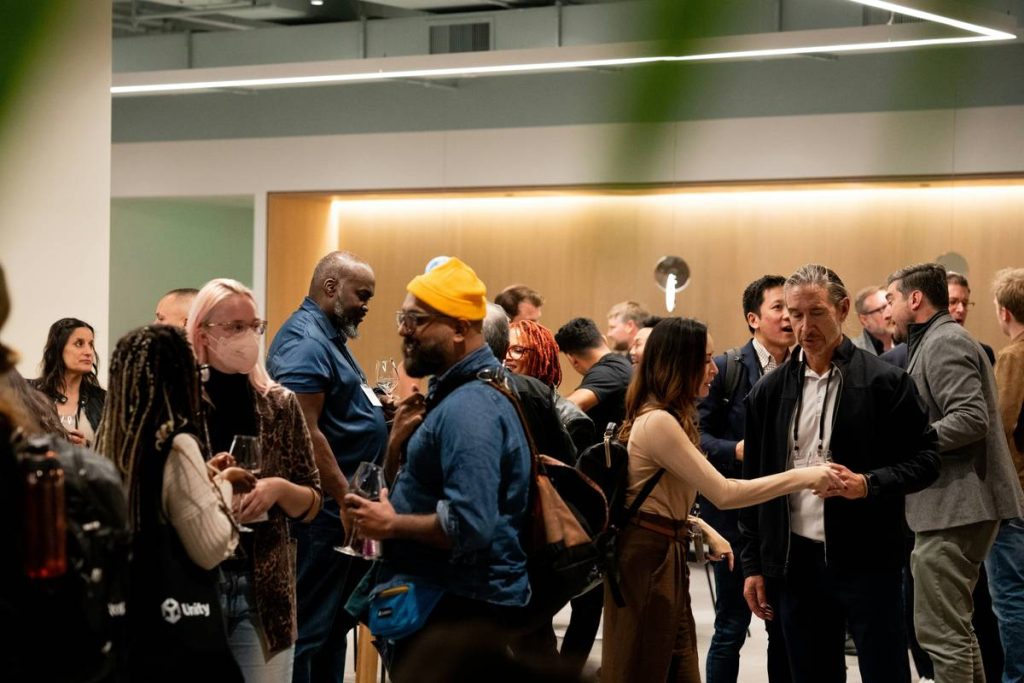
You’ve attended webinars. You’ve joined LinkedIn groups. You even updated your bio with “open to networking.” But your inbox stays silent—no referrals, no collaborations, no breakthrough conversations. That’s because most professionals treat networking like a broadcast channel, not a relationship engine. The fix? Stop chasing crowds. Start cultivating high-signal touchpoints where real influence lives.
Why Generic Networking Fails (Even With Good Intentions)
Industry events overflow with people handing out business cards like candy—then vanishing into digital oblivion. And online forums? Often echo chambers of self-promotion masked as “value sharing.”
The problem isn’t effort. It’s precision. Spray-and-pray tactics drown you in low-quality connections that never convert into mentorship, partnerships, or job leads. You’re not building a network—you’re collecting ghosts.
How to Engineer High-Impact Professional Development Opportunities Industry Networking
Forget random meetups. Target environments where decision-makers actually engage—not just show up.
Identify Your Strategic Zones
Not all rooms are equal. A niche roundtable with 15 senior pest control operators beats a 2,000-person expo where you’re invisible. Ask: Who holds the keys to my next career leap? Where do they gather when they’re *not* selling?
Pre-Event Intelligence Gathering
Don’t walk in blind. Scan attendee lists. Study recent LinkedIn posts. Note who commented on whose panel. Then craft a one-sentence hook tailored to their current challenge—something only an insider would notice.
Post-Interaction Follow-Up That Sticks
Skip the generic “Great meeting you!” email. Reference a specific insight they shared. Offer a micro-resource—a case study, tool, or intro—that solves a micro-problem they mentioned. Make reciprocity effortless.

| Networking Method | Time Investment | ROI Potential | Best For |
|---|---|---|---|
| Large Trade Shows | High (3–5 days) | Low–Medium | Brand visibility, vendor discovery |
| Niche Roundtables | Low–Medium (2–4 hrs) | High | Peer trust, strategic alliances |
| LinkedIn Comment Threads | Low (15 mins/day) | Medium | Thought leadership, soft outreach |
| Private Slack/Discord Groups | Medium (weekly check-ins) | Very High | Ongoing collaboration, real-time problem solving |

The Industry Secret: The “Reverse Mentor” Tactic
Here’s what few admit: senior leaders crave fresh perspectives—but hate feeling pitched to. So flip the script. Offer to be their “reverse mentor.” Share field-level insights on emerging tech, Gen Z workforce trends, or regional regulatory shifts they might miss from the C-suite.
Example: A pest management trainer I coached offered monthly briefings on drone-based inspection adoption among small operators. The result? Three board advisory invites—and two joint venture offers. Why? She brought intelligence, not asks. The relationship became a two-way value pipeline. And that’s how silent networks turn vocal.
FAQ
What’s the fastest way to find niche networking events in pest management?
Search “[Your State] + pest control association meetings” or “structural IPM working group.” State associations often host invite-only operator forums not listed publicly.
Is LinkedIn still worth it for industry networking?
Yes—but only if you comment thoughtfully on posts by regulators, equipment manufacturers, and technical directors. Avoid posting vague “let’s connect!” content.
How often should I follow up after meeting someone at an event?
Once within 48 hours with personalized value. Then, add them to a quarterly “insight drop” email—just one useful resource per quarter. No more.