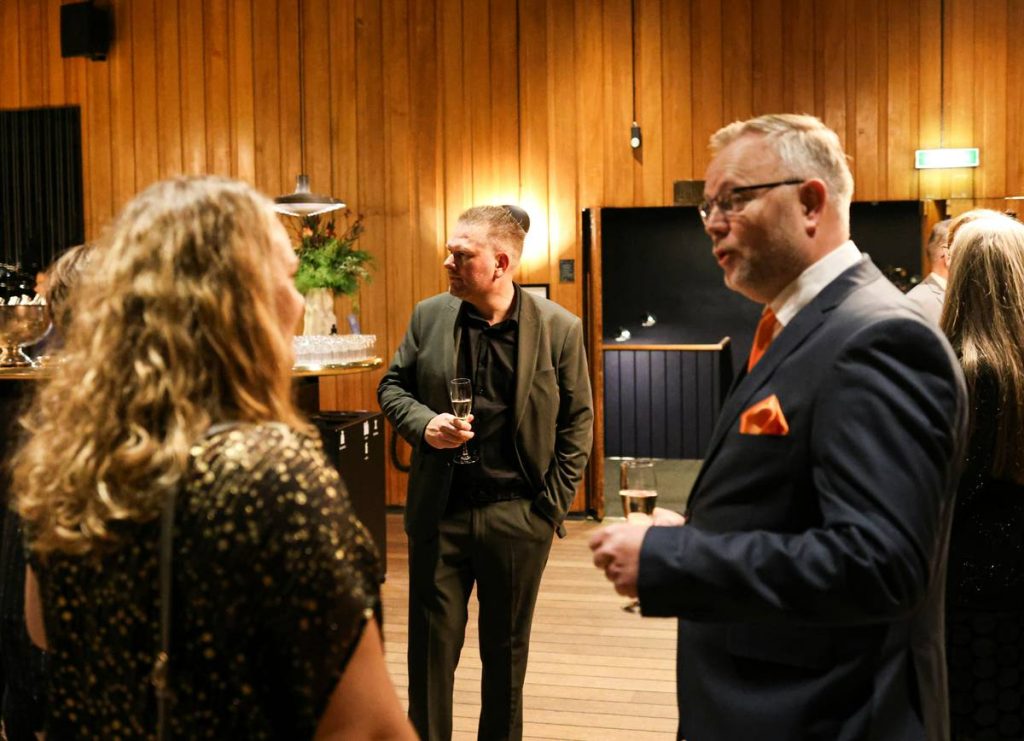
You’ve posted your reel. Updated your LinkedIn headline. Joined three “exclusive” Slack groups. Yet—crickets. The social connection networking opportunity media professional landscape is crowded, noisy, and frankly, transactional. You’re not lacking skills. You’re stuck in performative networking—swiping for contacts like dating apps. The solution? Shift from broadcasting to belonging. Real influence grows in curated, reciprocal relationships—not vanity metrics.
Why Most Networking Strategies Fail Media Pros
Mass outreach, cold DMs, and conference badge-collecting don’t build trust—they burn it. Algorithms reward engagement, yes—but your audience craves authenticity, not another pitch. And let’s be honest: most “networking events” are just awkward elevator pitches with canapés.
Media professionals thrive on credibility and timing. But if you’re only connecting when you need a favor, you’re already behind. The game changed. It’s no longer who you know—it’s who knows they can rely on you.
Social Connection Networking Opportunity Media Professional: A Step-by-Step Playbook
Forget spray-and-pray. This is precision cultivation.
Identify Your Tier-1 Targets
Not every editor, producer, or podcaster matters equally. Focus on 10–15 individuals whose work genuinely aligns with your values and niche. Track their recent projects, pain points, and content gaps. This isn’t stalking—it’s strategic attention.
Create Value Before Asking
Found a research study relevant to their latest piece? Share it—with a concise note on why it matters. Noticed their team just launched a new segment? Send genuine feedback, not flattery. Give first. Ask later—maybe never.
Leverage Asynchronous Touchpoints
Don’t wait for live events. Comment thoughtfully on their Substack. Mention them (sparingly) in your newsletter with context. Host a small Twitter Spaces on a shared topic—but invite them as a peer, not a “get.” Consistency beats intensity.

| Networking Method | Time Investment | Trust Built? | ROI for Media Pros |
|---|---|---|---|
| Mass LinkedIn Requests | Low | No | Poor — ignored or deleted |
| Generic Conference Mingling | High | Minimal | Moderate — depends on follow-up |
| Targeted Value-Based Outreach | Medium | Yes | High — leads to collabs, referrals, features |
| Private Community Participation | Medium-High | Strong (if consistent) | Very High — insider access & advocacy |

The Industry Secret: The “Reverse Mentor” Tactic
Here’s what top-tier media connectors won’t tell you: they often reach down, not up. Offer to mentor emerging journalists, indie podcasters, or student filmmakers—even if you’re mid-career. Why? Because tomorrow’s newsroom lead or festival curator remembers who showed up when no one was watching.
This flips the script. Instead of chasing gatekeepers, you become a node in a rising ecosystem. And those mentees? They’ll tag you, quote you, and refer you long before you’d ever cold-email their boss. Generosity compounds—in visibility and credibility.
FAQ
How do I start networking without sounding salesy?
Lead with curiosity, not credentials. Ask about their current project struggles—not their “opportunities.” People open up when they feel understood, not used.
Are virtual events worth it for media professionals?
Only if you prep like it’s an interview: research speakers, join breakout rooms early, and follow up within 24 hours with a personalized insight—not a template.
Can introverts build strong media networks?
Absolutely. Depth beats breadth. One meaningful monthly coffee chat > 50 LinkedIn connections. Introverts listen—which is half the battle in earning trust.